Where to Stay in Fukuoka
Fukuoka is one of the best cities in Japan to stay in, and one of the easiest to get around. It’s compact, the airport is practically downtown, and the subway gets you from one side of the city to the other in a few minutes. That makes picking where to stay in Fukuoka less tricky than in Tokyo or Osaka, but the area you choose still makes a difference.
It shapes how you spend your evenings, how far you drag your luggage and how much you pay per night. Your options are Hakata, Tenjin, Nakasu, Momochi and a couple of less obvious alternatives, and each one suits a different kind of trip.
Contents
Around Hakata Station
If it’s your first time in Fukuoka, the area around Hakata Station is the one I recommend most often, especially if the city is just one stop on a longer trip. This is where the Shinkansen pulls in from Osaka and Hiroshima, where trains leave for Nagasaki, Kumamoto, Kagoshima and Beppu, and where you’ll find the bus terminal. The airport is a few minutes away by subway, so even on the day you leave you don’t need to allow much extra time.
The station itself has plenty to explore. There’s the Hankyu department store, Amu Plaza with shops and restaurants on the upper floors, a cluster of tonkotsu ramen shops, and loads of places selling Kyushu souvenirs, from mentaiko to sweets like Hakata Torimon.
My recommendations:
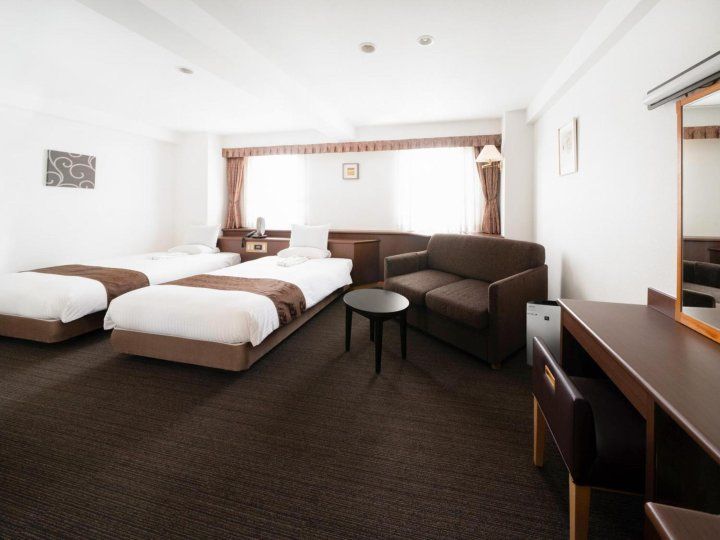 Toyo HotelCheap and really handy for getting around, with an air purifier in every room and friendly staff.See deals on Booking.com
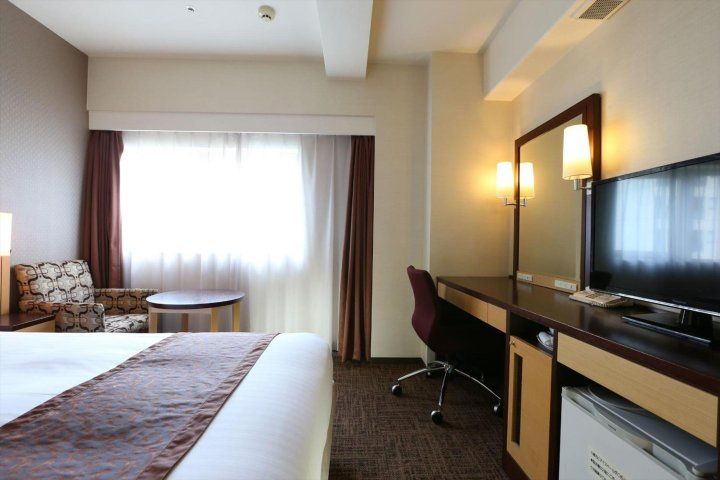 Hotel Hokke Club FukuokaOnsen-style baths included in the price and a big breakfast buffet with Fukuoka dishes.See deals on Booking.com
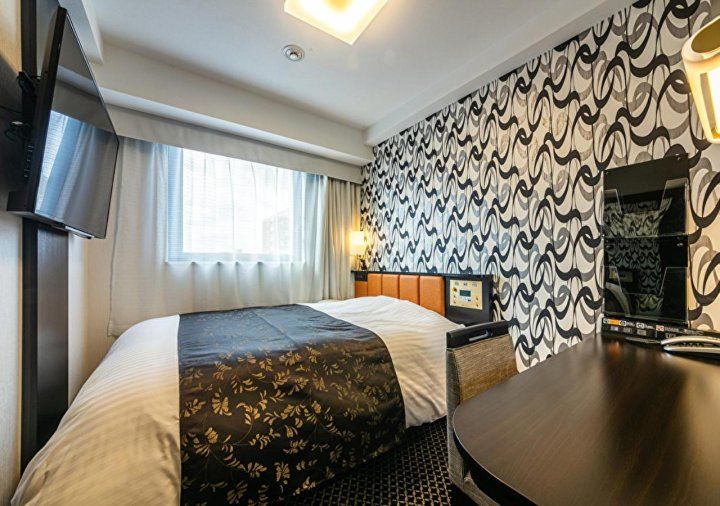 Apa Hotel Hakata HigashihieekimaeWell connected to the airport, with a bathtub in every room and quick check-out with no line.See deals on Booking.com
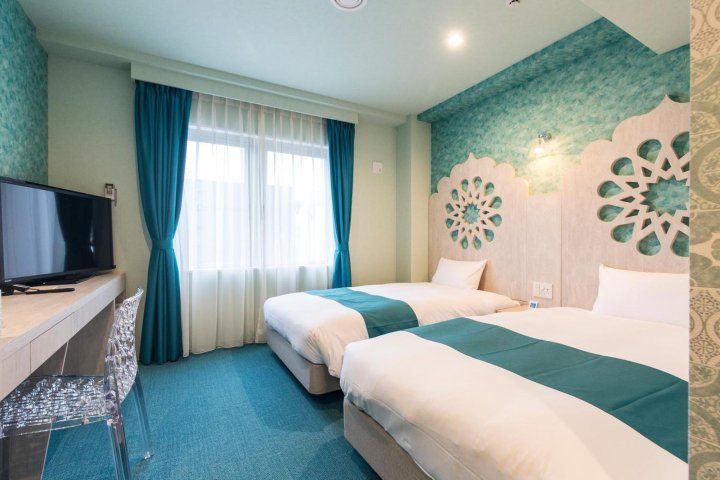 Koko Hotel Hakata StationBathroom with a tub separate from the toilet and lots of shampoos and bath salts to choose from.See deals on Booking.com
There are tons of hotels here. They range from budget business chains to more comfortable places connected directly to the station, like the JR Kyushu hotels or Hotel Nikko. The Hakata Exit side (west) is livelier and close to the shops and Canal City, while the Chikushi side (east) is quieter and often a bit cheaper, with lots of business hotels right by the tracks.
Hakata’s weak spot is the evening. After dinner there’s less going on around the station than in Tenjin, and the surrounding residential and office neighborhoods go quiet. It’s not a real problem, since Nakasu is a ten to fifteen minute walk away, but if you want to go out a lot in the evening you’ll find yourself going back and forth.
Tenjin for everything else
Tenjin is Fukuoka’s shopping district and the center of everyday life in the city. If I were spending three or four days in Fukuoka without many trips out of town, this is where I’d stay. Above ground you’ve got department stores like Mitsukoshi and Daimaru, shopping complexes, the Nishitetsu bus terminal and the station for the private Nishitetsu railway, where the trains to Dazaifu and Yanagawa leave from. Underground there’s Tenjin Chikagai, a long mall full of shops and cafes, so you can cross the neighborhood without getting wet when it rains.
Right next to Tenjin is Daimyo, an area of narrow streets lined with clothing stores, cafes, bars and small restaurants, and in the evening it’s a great place to eat and drink. A little farther south, Yakuin is more residential, with lots of places where most of the customers are locals.
My recommendations:
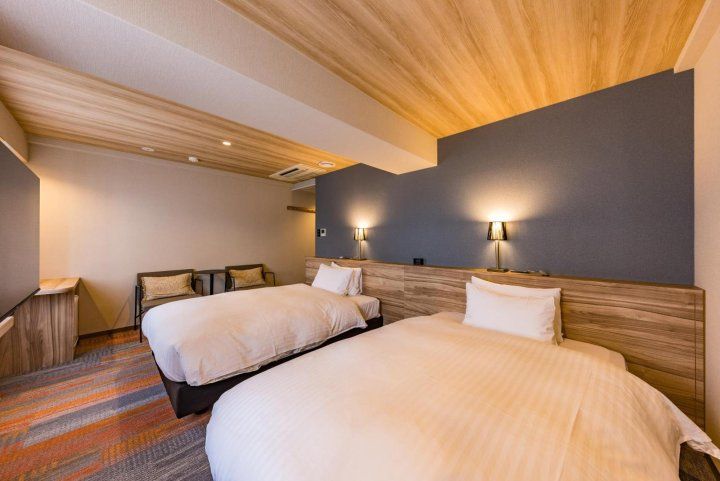 Fukuoka Toei HotelReally spacious, soundproofed twin rooms, with a bathtub and bidet in the bathroom.See deals on Booking.com
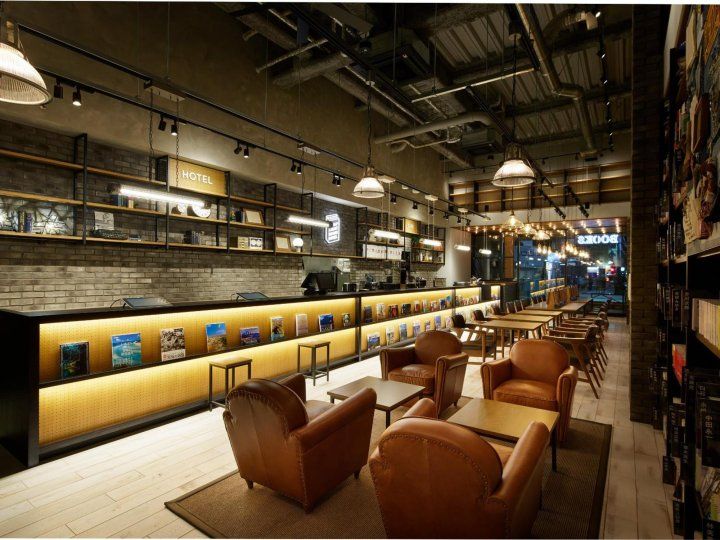 Lamp Light Books Hotel fukuokaComfy beds, free bikes for getting around the city and breakfast you can also have in your room.See deals on Booking.com
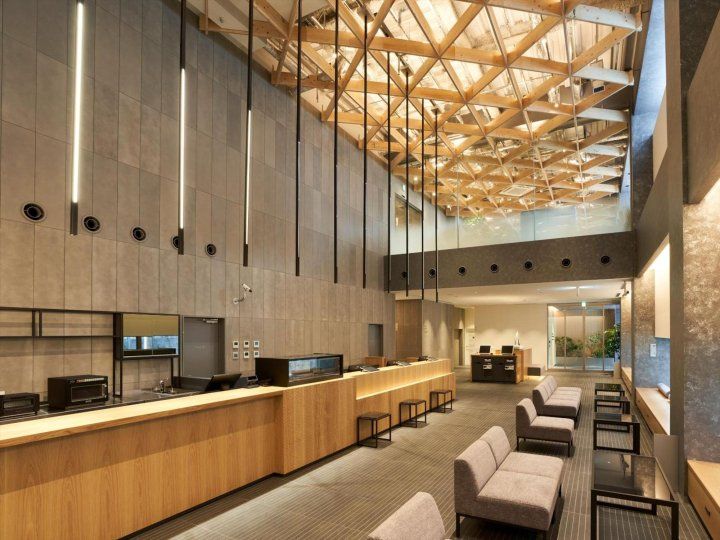 Cross Life Hakata YanagibashiA brand-new hotel with a bright lounge for coffee, and Canal City within walking distance.See deals on Booking.com
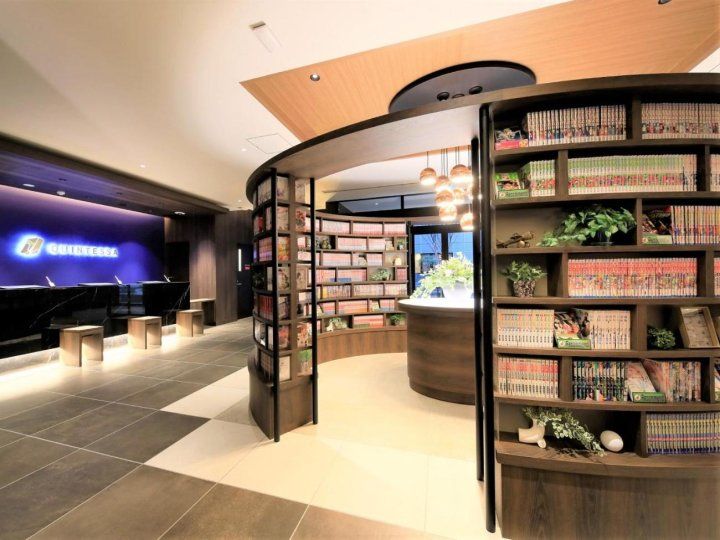 QuintessaHotel FukuokaTenjin Comic&BooksInexpensive and well connected, with a breakfast buffet full of local specialties.See deals on Booking.com
The big advantage of staying in Tenjin is that in the evening everything is within walking distance: restaurants, izakaya, bars and even Tenjin’s own yatai, along the streets near the station. Ohori Park is a couple of subway stops away, and the airport is just over ten minutes on the same line.
The range of hotels is wide, from compact business hotels to design hotels around Daimyo and some real luxury, like the Ritz-Carlton on the upper floors of a skyscraper. Tenjin is less convenient than Hakata for Shinkansen day trips, but all it means is five more minutes on the subway with your suitcase.
Gion and Canal City
Between Hakata Station and the river there’s an area people often overlook, and I think it’s one of the nicest places to stay. It’s called Gion, it has its own subway stop (the first one after Hakata heading toward Tenjin), and it’s the city’s historic temple district. This is where you’ll find Kushida Shrine, which is linked to the Yamakasa summer festival, Tochoji Temple with its giant wooden Buddha, and Shofukuji, considered the first Zen temple in Japan.
Early in the morning these narrow streets are quiet, and walking around before the tour groups show up is one of the best ways to start your day in Fukuoka.
My recommendations:
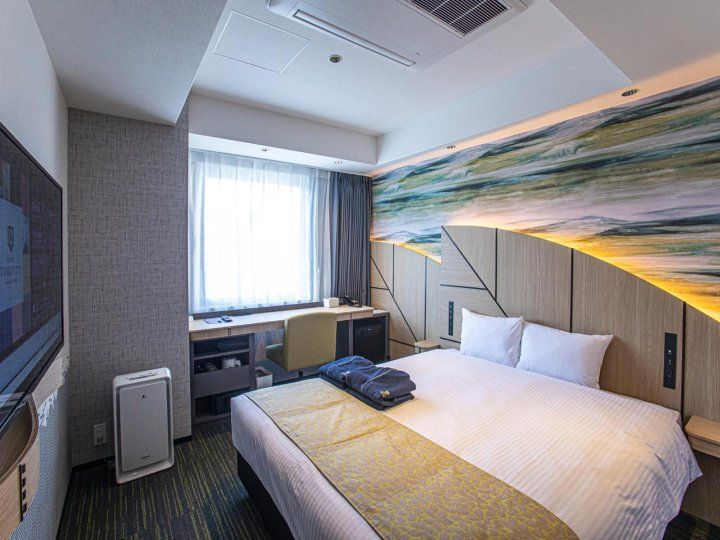 Hotel Torifito Hakata GionNext to Kushida Shrine, with onsen-style baths and free ice cream after your soak.See deals on Booking.com
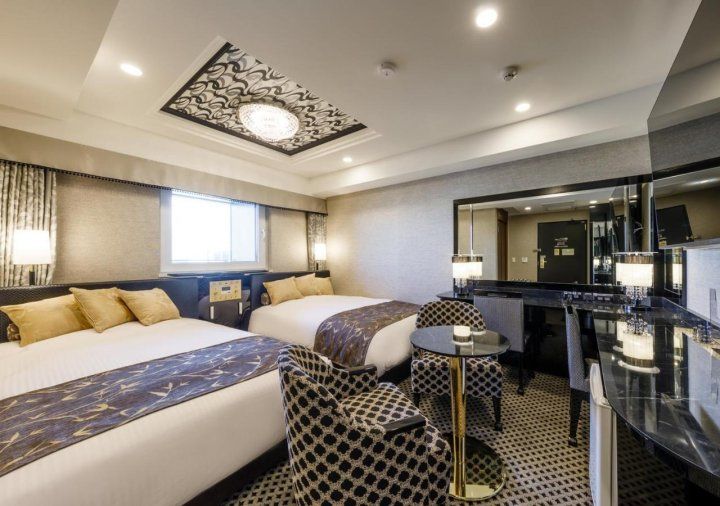 Apa Hotel Hakata Gion EkimaeA new, well-connected hotel with well-kept rooms and a breakfast with local dishes.See deals on Booking.com
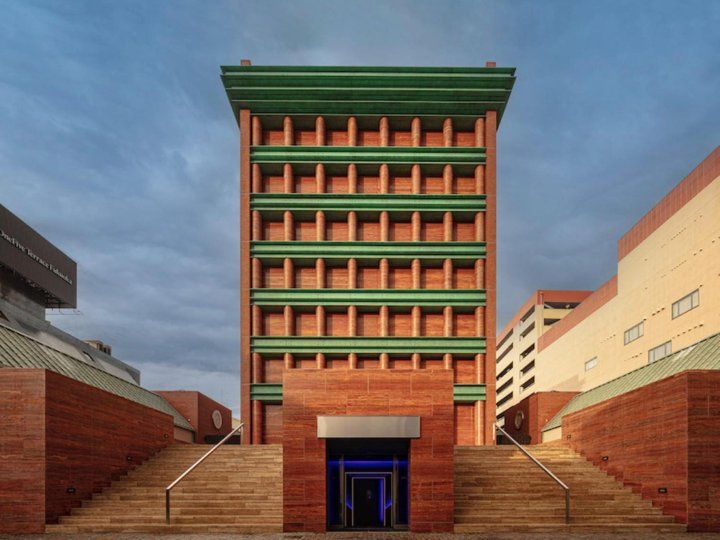 Hotel Il PalazzoLarge rooms with a roomy tub, super comfortable beds and a free aperitif every evening.See deals on Booking.com
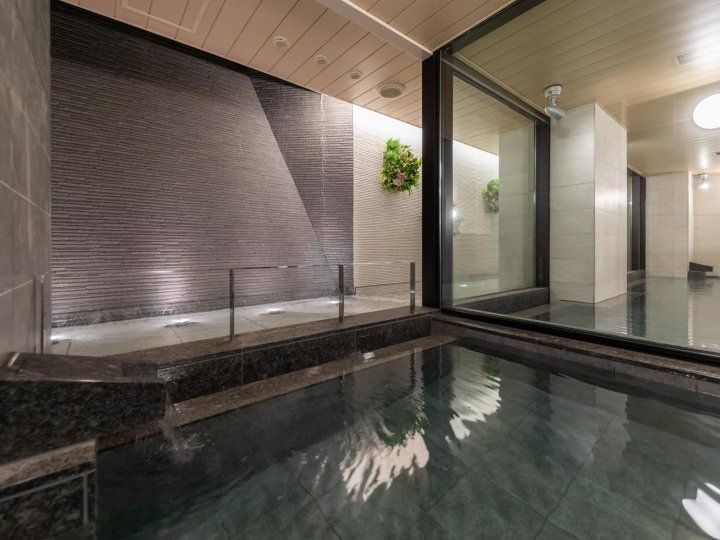 Nishitetsu Hotel Croom Hakata Gion Kushida ShrineSpotless and handy for getting around, with a large shared bath you can use in the evening.See deals on Booking.com
From Gion it’s a short walk to Canal City Hakata, the mall with the artificial canal and the water shows, which is also home to the Grand Hyatt Fukuoka. The Kawabata covered shopping arcade starts nearby and takes you all the way to Nakasu.
I’d recommend Gion if you want to stay close to the station without sleeping right in the middle of all the travelers coming and going, and if you like the idea of walking to both the temples and Nakasu. Prices are about the same as in Hakata, with lots of chain business hotels and a few newer ones.
Nakasu and the yatai
Nakasu is the island between the two rivers, and it’s where Fukuoka’s best-known nightlife is concentrated. From late afternoon on, the yatai set up along the bank of the Naka River. They’re food stalls with around ten seats at the counter, little curtains, benches and an open kitchen. They serve ramen, oden, skewers and small Hakata-style gyoza, and you end up chatting with whoever’s sitting next to you, because space is tight and you’re elbow to elbow.
Staying in Nakasu means you can take a stroll along the river after dinner, maybe stop at a second yatai, and be back in your room in five minutes. That’s the main reason to pick this area, and I think it’s a very good one, especially if you’re coming to Fukuoka for the food.
My recommendations:
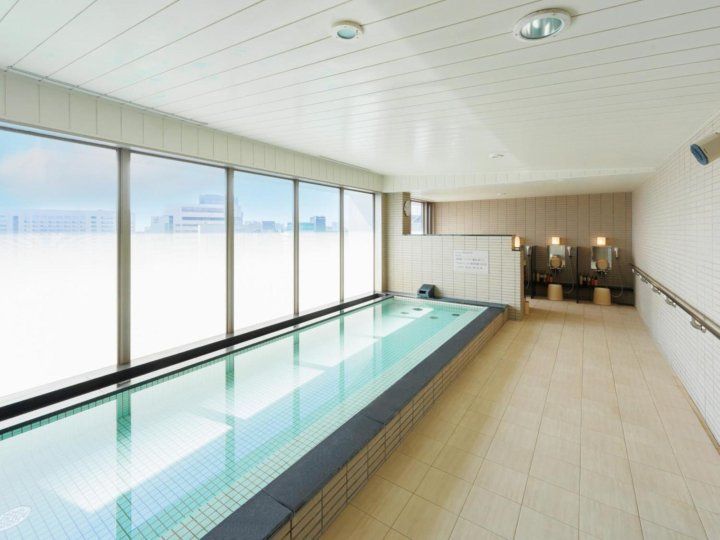 Hotel Resol Trinity HakataReally handy for getting around, with a lobby that looks out over the city lights.See deals on Booking.com
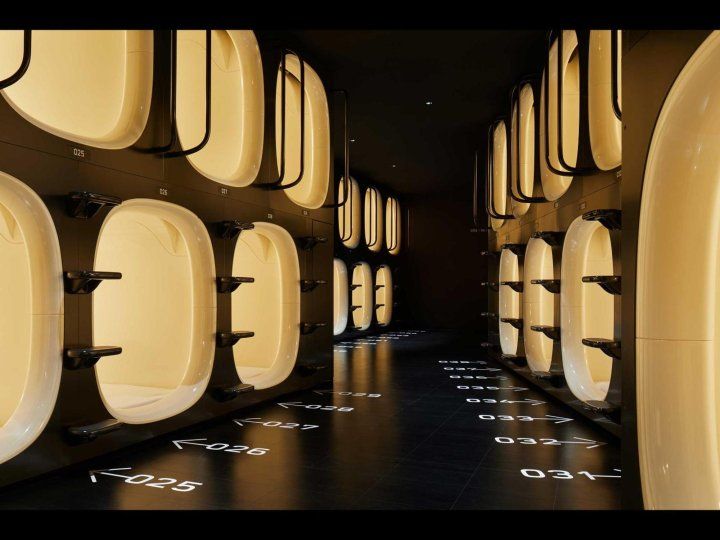 9h nine hours Nakasukawabata StationCheap, modern capsules, well-equipped showers and Canal City within walking distance.See deals on Booking.com
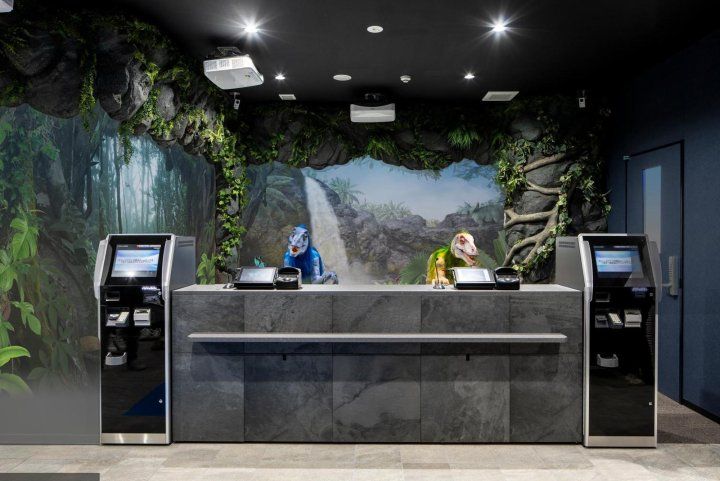 Henn na Hotel Fukuoka HakataBreakfast included, free lounge access all day and complimentary cocktails in the evening.See deals on Booking.com
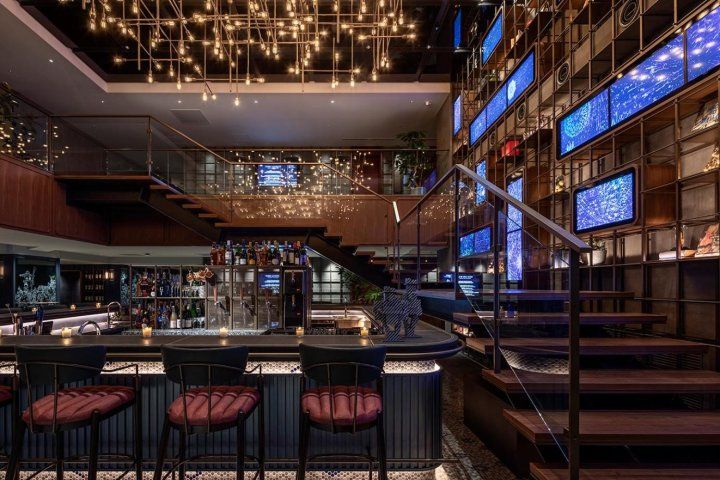 The Lively Fukuoka HakataFree beer every evening, a lounge that never closes and over a hundred items you can borrow.See deals on Booking.com
You should know how the island is laid out, though. The part near the river and the Kawabata arcade is full of perfectly ordinary restaurants and hotels, but the inner part has whole streets of hostess bars, men-only clubs and neon signs of every kind. It’s not a dangerous area. If anything, it’s well policed and full of people until late. Still, it might not be for you if you’re traveling with kids or simply don’t enjoy walking past touts at one in the morning.
My advice is to pick a hotel on the north side of the island, on the Kawabata side of the river, or on the opposite bank toward Tenjin. That way the yatai are right there, but you’re not sleeping in the middle of the bar streets. There’s also Hotel Okura in the Hakata Riverain complex, a good compromise if you want a high-end hotel in this area.
Momochi by the sea
Momochi, or Seaside Momochi, is the waterfront area west of downtown, built on land reclaimed from the bay. It’s nothing like the rest of the city. The streets are wide and the buildings modern, and you’ve got Fukuoka Tower at over 230 meters tall, an artificial beach with a boardwalk out over the water, and the stadium where the Fukuoka SoftBank Hawks baseball team plays. The Hilton Fukuoka Sea Hawk is here too, a huge hotel overlooking the bay, along with a few other, quieter hotels.
Momochi works if you want a more relaxed stay, with sea views and sunsets on the beach, or if you’re in Fukuoka for a game or a concert at the stadium. It’s also where you’ll find the city museum, home to Japan’s most famous gold seal, and the library.
My recommendations:
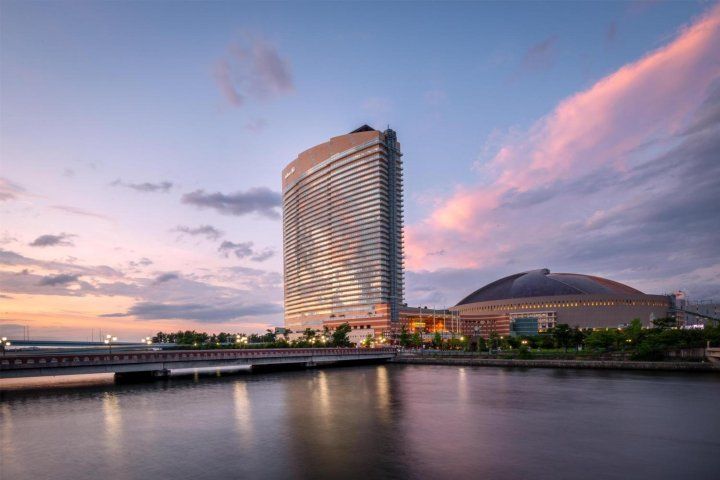
The downside is the distance. The nearest subway stations, Nishijin and Tojinmachi, are a good fifteen minutes away on foot, and to get to Tenjin or Hakata you’ll almost always end up taking a bus or a taxi. In the evening there isn’t much around the hotels apart from their own restaurants and a few places near the water.
It’s not a good fit if you only have a few days and want to see a lot, or if you’re planning day trips by train. For a night or two to unwind at the end of a trip, though, it makes sense, and when there’s a game or a concert it’s the most convenient area, hands down.
Other areas to consider
Beyond these, a few alternatives can come in handy in specific situations. They wouldn’t be my first choice for a first trip, but they’re worth knowing about, because sometimes you can still find rooms there when downtown is full:
- Akasaka and Ohori, between Tenjin and Ohori Park, are residential and quiet, with the subway right outside your door. In the morning you can go for a run or a walk around the lake in the park.
- Nishijin, farther west on the same subway line, has a lively shopping arcade and lower prices, and it’s the right compromise if you want to be closer to Momochi without giving up the subway.
- The Nagahama and port area, north of Tenjin, is close to the fish market and the ferry terminal, and it’s useful if you’re catching a boat to the islands or to Korea.
- Dazaifu is a separate city, but some people stay there in a ryokan to see the shrine early in the morning. On a first trip I’d suggest you visit on a day trip, since it’s about forty minutes by train from Tenjin.
How Fukuoka is laid out
Before you start looking at hotels, it helps to understand the shape of the city, because it’s simpler than it looks. Fukuoka has two centers, Hakata to the east and Tenjin to the west, and in the middle is Nakasu, a long, narrow island between two rivers. It’s about two and a half kilometers from Hakata to Tenjin. That’s five minutes on the subway, or a good half hour on foot through Nakasu and Canal City.
Farther west, toward the sea, is Momochi, with Fukuoka Tower and the beach. The airport is on the opposite side, just two stops on the subway from Hakata Station. Very few cities have an airport this close to downtown, and that changes the math quite a bit when you’re deciding where to stay.
All the central areas are on the subway’s Kuko Line, which starts right at the airport and runs through Hakata, Nakasu-Kawabata and Tenjin. If your hotel is near one of those stops, you’re set for almost everything. My advice is to think about it like this:
- If you’re arriving by Shinkansen or heading out early to other cities in Kyushu, look at Hakata first.
- If you want shopping, bars and nightlife within walking distance, Tenjin is your best all-around pick.
- If the plan is to eat at the yatai and walk back to your room afterward, nothing beats Nakasu for location.
- If you’re looking for a big hotel near the sea and don’t mind taking buses or taxis, Momochi offers something different from the other areas.
Prices and booking
Hotel prices are lower in Fukuoka than in Tokyo and Kyoto. On a normal day you’ll find a double room at a central business hotel for around 8,000–15,000 yen, while high-end hotels start in the tens of thousands. The trouble comes on certain dates. When big Japanese or Korean groups play the stadium or the arenas, the city fills up, prices can double or even triple, and hotels in whole neighborhoods sell out.
The same thing happens during the two biggest festivals, Hakata Dontaku in early May and Hakata Gion Yamakasa in the first half of July, and on Japan’s long holiday weekends. I’d recommend checking the city’s events calendar before you lock in your dates, because sometimes moving your stay by a single day can save you a lot.
A few practical pointers I’d pass on:
- Always check the walking distance from the subway stop, not just the name of the area. A Hakata hotel fifteen minutes from the station is less convenient than one in Gion right by the exit.
- Business hotel rooms are small, so if you’re traveling with two large suitcases, book a room one category above the cheapest.
- If you’re arriving late, keep in mind that Fukuoka Airport closes at night and the last flights land in the evening. A hotel on the subway line saves you a taxi ride.
- Many hotels near Hakata Station have coin-operated laundry and large communal baths, which are nice to have halfway through a trip.
Where I’d stay
If it were my first time in Fukuoka, with a few days to spend and a couple of day trips planned, I’d pick Hakata or Gion. Arriving, heading out and coming back would all be hassle-free, and in the evening Nakasu would be an easy walk away. If I were coming just to enjoy the city, its restaurants and shops, I’d stay in Tenjin, maybe over toward Daimyo, the area I most like heading to when I want to eat out.
I’d save Nakasu for people coming mostly for the yatai, and Momochi for anyone who wants a slow couple of days by the sea or has to go to the stadium. What about you? In Fukuoka, are you after easy access to the trains, or an evening sitting at a yatai by the river?