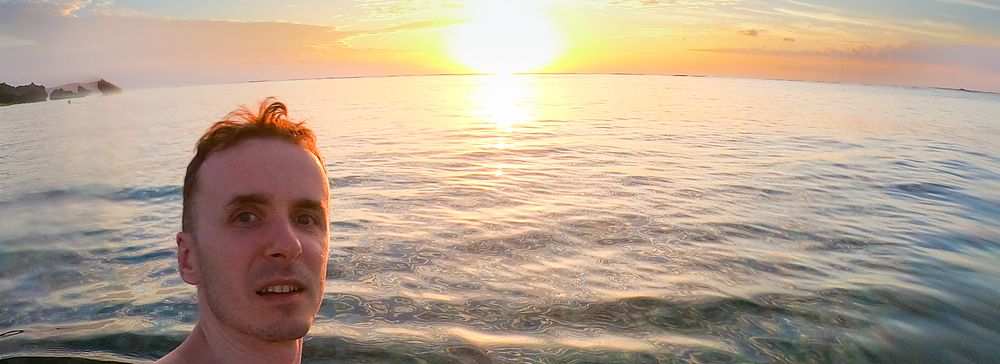
Which Okinawa Island Should I Visit?
When someone writes to me saying they want to go to Okinawa, the first thing I usually ask is, “Sure, but where?” A lot of people picture Okinawa as a single island, a kind of big tropical beach, and don’t realize it’s actually a huge archipelago made up of very different areas. On most trips it makes sense to pick one main area, or at most the main island plus one other specific area.
I’ll keep this simple and direct and tell you which Okinawa island to choose based on what you’re after: postcard-perfect water, total relaxation, outdoor activities or little-known slices of paradise. The idea is to help you put together a realistic trip you’ll actually enjoy, without spending more time on planes and ferries than on the beach.
Contents
How to choose
Which island you pick has less to do with which one is the most beautiful and more to do with three things: how many days you have, what kind of water you’re picturing and how much you want to move around once you’re down there. I’ll be honest with you: people who try to do it all in one trip often end up rushing through everything and not really enjoying any of it.
To keep it simple, there are three main areas: Okinawa’s main island (the one with Naha), the Miyakojima area and the Ishigaki / Yaeyama area. Just picking one of the three is already a big decision. Moving between them means domestic flights, and each time, you risk losing half a day to transfers, security checks and waiting around.
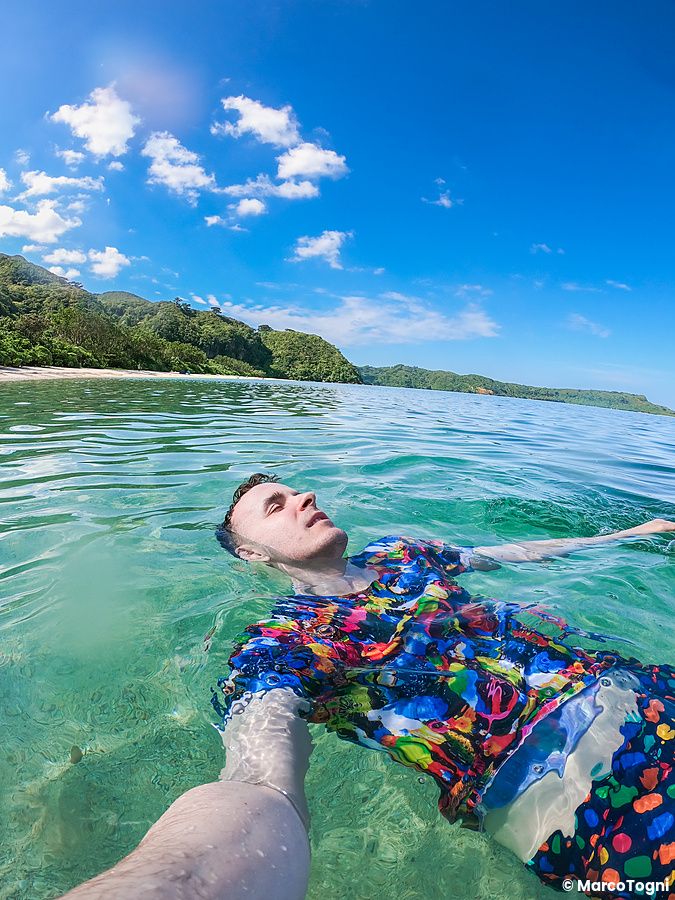
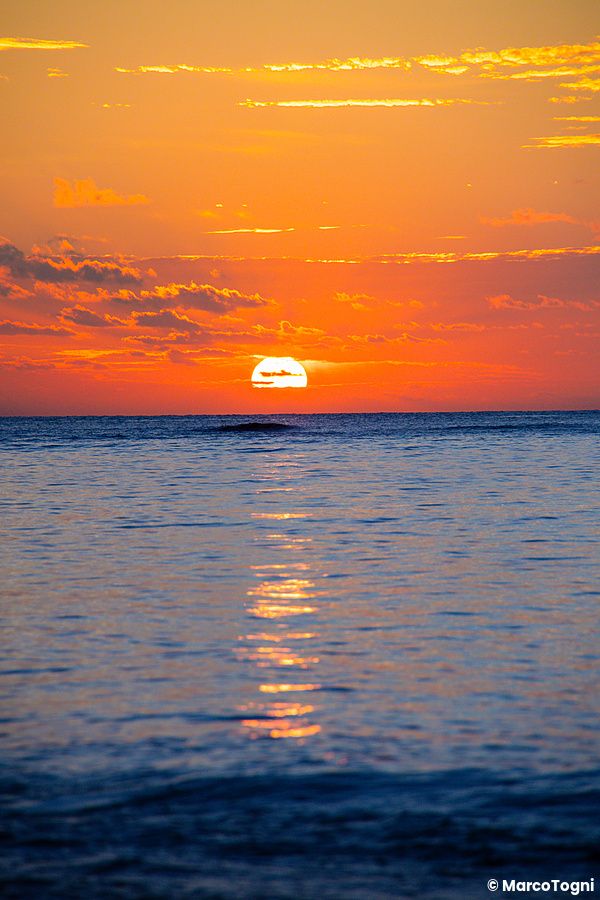
Honestly, here’s how I’d plan it: pick one main base and add a second area only if you have enough days. For example, the main island plus a trip out to the Kerama Islands, or Ishigaki as your base with a night on Taketomi or Iriomote. Getting to know one area properly beats collecting island names.
Another thing to think about is how much you like driving. On almost all the Okinawa islands, a rental car is the key to getting around freely. If you don’t like driving, you might be better off somewhere you can do a few things on foot or by bus, like Ishigaki town, or Naha with day trips.
The main island
Okinawa’s main island, where Naha is, is the easiest way in: lots of flights from mainland Japan, more hotels to choose from, more services. To me it’s also the island with the most varied feel: a bit of city, a bit of sea, a bit of history.
The south is interesting if you want to understand more about the archipelago’s past, with memorials, museums and places tied to the war. It’s not a beach area, but it matters if you don’t see Okinawa as just beaches and cocktails. If you’re curious about modern Japanese history, you’ll find some very powerful places here that make you stop and think.
As you head north, you get into the classic vacation areas: Onna with its ocean-view resorts, cliffs like Cape Manzamo, and stretches of coast where you can switch between swimming and driving around. Keep going and you reach the Motobu area, with the aquarium and nice beaches, ideal if you’re traveling with kids or want a convenient base with plenty of facilities nearby.
The sea is beautiful, but if you’re dreaming of that impossibly turquoise postcard water, the main island isn’t the most spectacular part of the archipelago. I like it because it offers a balanced mix: restaurants, supermarkets, a bit of nightlife, easy roads, and beaches you can get to without much hassle. Still, it’s not somewhere you absolutely have to go. If you only have a few days and all you want is dreamy water, other islands will impress you more.
I’d go for the main island if:
- you want a first taste of Okinawa without juggling too many domestic flights
- you like the idea of pairing the sea with history
- it helps to have plenty of services close at hand, especially if you’re traveling with kids or with people who don’t like places that are too remote.
Miyako’s beaches
If you’re picturing endless white beaches, water that looks Photoshopped and slow days of swimming and sunsets, the answer is often Miyakojima. It’s one of the best-known destinations precisely because of how good its beaches are: pale sand, clear water, and colors that shift through the day in an almost unreal way.
The island itself is fairly flat, so forget mountains and big views from up high. Its beauty is all in the shape of the coastline, with coves, long beaches and spots sheltered from the wind. Bridges link it to other islands nearby, like Irabu and Kurima, which give you more places to stop for a swim or just to look at the sea. I usually recommend renting a car and driving around without hurrying, picking your beach based on the weather and how you feel that day.
Nightlife is very quiet. A few restaurants, a few izakaya, nothing hectic. It works well if you want to really unwind, maybe after a few days in a city like Tokyo or Osaka. It can be a perfect choice for couples, for travelers who love the sea but aren’t crazy about big resorts, or for parents who want their kids to play in calm, shallow water (keeping an eye on them, of course).
The one catch is that there isn’t a lot to do on Miyako away from the water. Don’t expect museums, walks around town or big shopping malls. If doing nothing bores you quickly, you might start checking your watch after 4–5 days. But if you dream of waking up, having a slow breakfast and deciding only where to put your towel down, it’s hard to go wrong.
That said, if you’re the type who spends beach time with a snorkel mask on, Miyako has plenty to keep you busy. Off Ikema is Yabiji, Japan’s largest coral reef, which a few times a year, with the right tides, rises out of the water and becomes a temporary island. And the Shimoji side, next to Irabu, is full of underwater caves and arches that divers know well. It’s a different sea from what you get at the beaches, deeper and more dramatic.
Ishigaki and around
If Miyako is the island where you lie on the beach and stop thinking about anything, Ishigaki is the one for when you want the sea but also lots to do. It’s the gateway to the Yaeyama Islands, the southernmost group, close to Taiwan, which offer an interesting mix of nature, small villages and activities.
Ishigaki town is small but lively: a port where ferries leave for the nearby islands, restaurants serving fish and local dishes, a few shops, a market. It’s not a place you come to for the town itself, but it’s a convenient base with its own everyday charm. From here you can plan days of snorkeling, boat trips, visits to the island’s beaches and, above all, trips to the other islands in the group.
The classic combination is:
- Taketomi: a tiny island a few minutes away by ferry, with white-sand lanes, traditional houses and beaches perfect for strolling or just sitting and watching the sea. It feels almost like a little village frozen in time, carefully maintained down to the smallest detail, with a slow pace that makes you want to stay at least one night.
- Iriomote: a huge island covered in jungle, mangroves, rivers and low mountains. Here the beautiful sea comes with river kayaking, hikes to waterfalls and boat rides through the mangroves. It’s the right pick if you love wilder nature and don’t just want to stay on the beach.
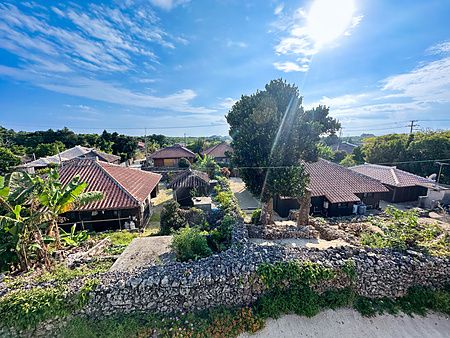
I think this area works very well if you want to feel truly far from everything but don’t like sitting still. On a one-week trip you can spend 3–4 nights in Ishigaki as your base, one night on Taketomi and maybe one on Iriomote, without juggling too many transfers. Families with active kids or teenagers usually enjoy it here: between boats, snorkeling, short hikes and traditional villages, the days are full but not stressful.
I swear, when the weather plays along, the island’s beaches and the trips to the nearby islands give you that feeling of a vacation that has it all, with a good balance of sea, activities and small moments of local life.
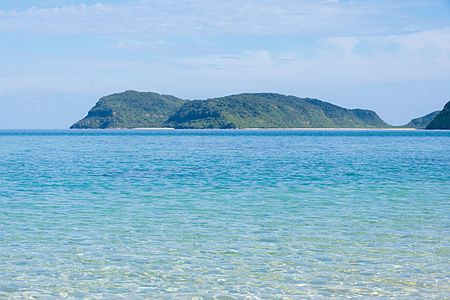
The other Yaeyama Islands
Taketomi and Iriomote are the two that end up in every itinerary, but there’s more to the Yaeyama Islands, and sooner or later someone asks me about the rest.
Kuroshima is flat and heart-shaped, with more cows than people. You can get around it by bike in no time, and there’s nothing to do but enjoy the sea, which is exactly the point. Kohama is the island of hills covered in sugarcane and quiet roads, good for disappearing for two nights without much of a plan.
Then there are the two at the far ends. Hateruma is Japan’s southernmost inhabited island, with a beach that many people consider the best in the whole area and a starry sky that’s worth the trip on its own. The ferry, though, is notorious for rough crossings, and when there are heavy seas it doesn’t run. Yonaguni is Japan’s westernmost point, rugged and windy, and it mostly appeals to divers or people looking for islands tourism hasn’t reached.
I wouldn’t squeeze them into a first trip, though. They’re islands for a second visit, once you’ve figured out what kind of slow pace you like.
Kerama and Kume
If you don’t want to go too far from Naha but still want the most spectacular water, the answer is often the Kerama Islands, a group you can reach from the city by ferry or high-speed boat. The names that come up most are Zamami, Tokashiki and Aka, and the area is known for its clear water, its underwater scenery and sea turtles that are fairly easy to spot.
From Naha you can join organized day trips with snorkeling and free time on the beach, or stay one or two nights on one of the islands if you want something quieter. It’s a good option if:
- you only have a few days but don’t want to give up on truly beautiful water
- you’d rather avoid too many domestic flights
- you like the idea of keeping Naha as your base, with its restaurants and shops, and escaping to the beach during the day.
Another option, less known but much loved by people who’ve been, is Kumejima. The sea here is gorgeous too, with famous spots like brilliant white sandbars far offshore, which you reach by boat and where you find yourself surrounded by nothing but blue. Kumejima feels even more like a small town, with a relaxed pace and less mass tourism.
The way I see it, if you want a taste of top-quality water without completely giving up the convenience of the city, go with the main island plus the Kerama Islands. If you want a slower, less organized experience, aim for a stay on Kumejima. Either way, you get beautiful water without chasing flights to the farthest islands.
Islands you can drive to
A lot of people don’t know that from the main island you can reach quite a few small islands without taking a plane. All you need is a car and a bridge.
In the Motobu area you cross over to Sesoko and, a little farther on, to Kouri, two islands that keep turning up in photos of turquoise water and that easily fit into a day of driving around. Boats also leave from around there for Minna, the crescent-shaped islet, and for Ie, easy to spot thanks to the peak sticking up in the middle. On the east side, near Uruma, a road runs across the sea to Hamahiga, Ikei and Miyagi. The water there isn’t the most scenic in the archipelago, but it’s real island life, with tiny villages and sugarcane fields.
They’re not alternatives to Miyako or the Yaeyama Islands, and I wouldn’t build a whole vacation around them. But they’re the right answer if you’re based on the main island and find yourself with a free day and in the mood for a different kind of sea.
Little Yoron
Yoron rarely shows up on standard itineraries, but people who love this island chain often end up considering it. Technically it belongs to Kagoshima Prefecture, but it’s the last outpost before Okinawa, about halfway along the ferry route that links Kagoshima, the Amami Islands and Okinawa itself.
It’s a small island with a very rural feel, and the water here is some of the most beautiful you can imagine. The beaches are dazzling white, sandbars rise out of the water in some spots when the tide is right, and you get a strong feeling that this is a place only a few people know. There are no big resorts and no trendy spots on every corner, and that’s exactly why I like Yoron as a pick for people who like places away from the usual tourist routes. That sandbar even has a name, Yurigahama, and it sits off the coast of Oganeku. It appears only at low tide, roughly from spring to early autumn, and you get out to it on boats run by locals. It’s never a sure thing: it changes shape and size from one day to the next, and some days it doesn’t come up at all. That’s part of the deal, and it’s also why the people who catch it remember it for years. For everything else, get around by bike. You’ll have seen the whole island in an afternoon anyway.
Yoron makes sense in two cases:
- if you’re on a longer trip that also takes in Kagoshima and the Amami Islands, using the ferry that connects them
- if you’ve already been to Okinawa several times and want somewhere even quieter, with incredible water and almost no sign of mass tourism.
For a quick first trip to Okinawa it may be a bit much. It takes more planning, and it isn’t the most straightforward destination if you only have a few days. But if you’re drawn to places where time moves slowly and every day is just the sea, bike rides and the people you meet along the way, Yoron can turn into one of those islands you keep thinking about for years.
How many days
People often ask me how many days they need for each island. There’s no answer that works for everyone, but there are some minimums, and below them I don’t think the hassle is worth it.
For Miyako, I’d recommend at least 4 nights. Three days gives you a taste, but just as you’re figuring out which beaches you like best, it’s time to pack again. With 5–6 nights the pace gets truly relaxed: one day at a beach with more facilities, the next at a quiet little cove, an evening at a different restaurant, maybe a trip out to the islands connected to it.
For Ishigaki and the islands around it, a week is ideal if you want to include Taketomi and at least a taste of Iriomote. For example:
- 3–4 nights on Ishigaki (your base for beaches and planning)
- a day trip to Taketomi, heading back to Ishigaki in the afternoon
- 2–3 nights on Iriomote, if you want to get deeper into nature.
On Okinawa’s main island, if you’re also adding a day or two in the Kerama or on Kume, I’d stay 5–6 nights at the very least. That gives you a few beach days, half a day for the historical sights, and some time to enjoy restaurants and drives without rushing.
My rule is simple: every time you switch islands, it costs you at least half a day between checking out, getting there, checking in and getting organized again. If you have 7 nights in total, I honestly wouldn’t split them across three different islands. Better to stick to two at most, or even just one done properly.
When to go
Okinawa is warm almost all year, but if you’re going for the sea, not every season is the same. A lot of people aim for summer, figuring it’s hot so it must be perfect, but that’s actually when the risk of typhoons is highest, the sun is fierce and the humidity can be heavy.
For beach time and pleasant temperatures, the best windows in my opinion are:
- late spring to early summer (roughly late May to early July)
- early autumn (September–October, avoiding the periods when typhoons are statistically most likely if you can).
In winter the air is still mild compared to mainland Japan, but the water can be too cool for long swims without a wetsuit. It works if you just want to soak up the feel of the islands, take a few walks and enjoy the quiet. It’s not the right season if your dream is to spend hours in the water snorkeling.
Something else I say a lot: don’t get fixated on the best week on paper. If your dates are flexible, of course, go for the period with fewer typhoons and gentler temperatures. But if you can only take your vacation around a certain date, it makes more sense to pick the right island for what you like doing than to chase perfect weather nobody can promise you.
My advice
If I had to boil it down to something practical, this is what I’d tell you.
If it’s your first time in Okinawa and the idea of juggling lots of transfers puts you off a little, I’d start with the main island, with a few beach days up north and a day of history down south, plus a trip to the Kerama if you can fit it in. It’s a balanced way to get to know the islands without turning your trip into a logistics puzzle.
If all you’re picturing is dreamy water and total relaxation, and you don’t need to do something different every day, I’d go for Miyakojima. The beaches look like fake backdrops, the pace is slow, and your days revolve around the sea, a light lunch and the sunset. It’s one of those places that recharges your batteries without any complicated plans.
If you like to keep moving, mix the sea with nature and see several different islands, then the answer is Ishigaki and the Yaeyama Islands. You stay in town and take trips out to Taketomi and Iriomote, with some beach time, some jungle and some traditional villages. It works well for anyone who, after two days lying on the sand, would start wondering, “Okay, now what?”
To me, Yoron and the other smaller islands are for people who’ve already done a more conventional first trip and now want to seek out islands where tourism is even more low-key, life moves slowly and every day is made up of small things: the café by the road, the cat asleep in the sun, the same beach in different light.
In the end it comes down to a simple question. Would you rather feel comfortable or secluded? Do you want a different beach every day, or is one that wins you over at first sight enough? Start there, then pick the island. The rest will follow: a light suitcase, a couple of good books, and maybe an evening watching the stars over the sea with a drink from the conbini, and that strange feeling that Okinawa isn’t just a name on the map anymore, but a place you’ll carry with you long after you get home.