Yosakoi Festival in Kochi
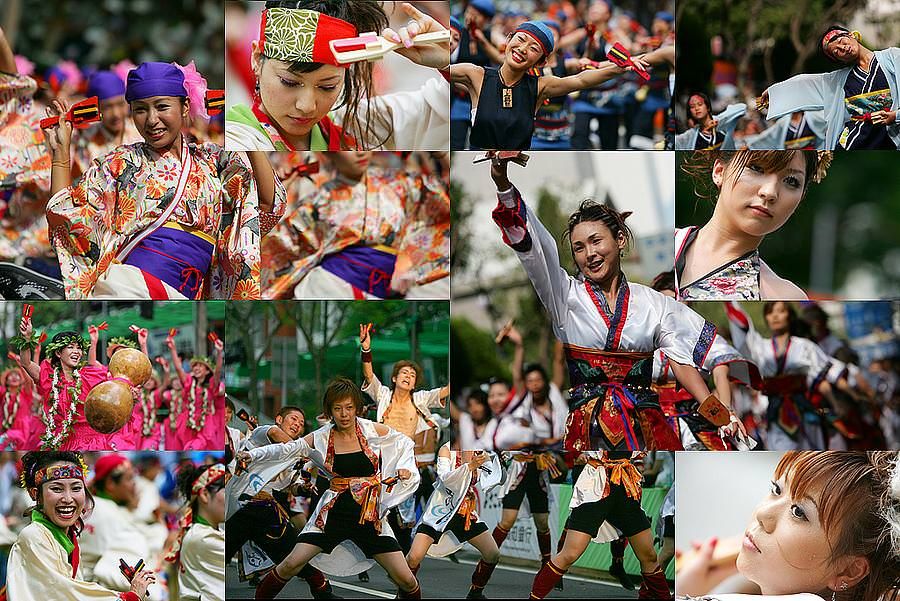
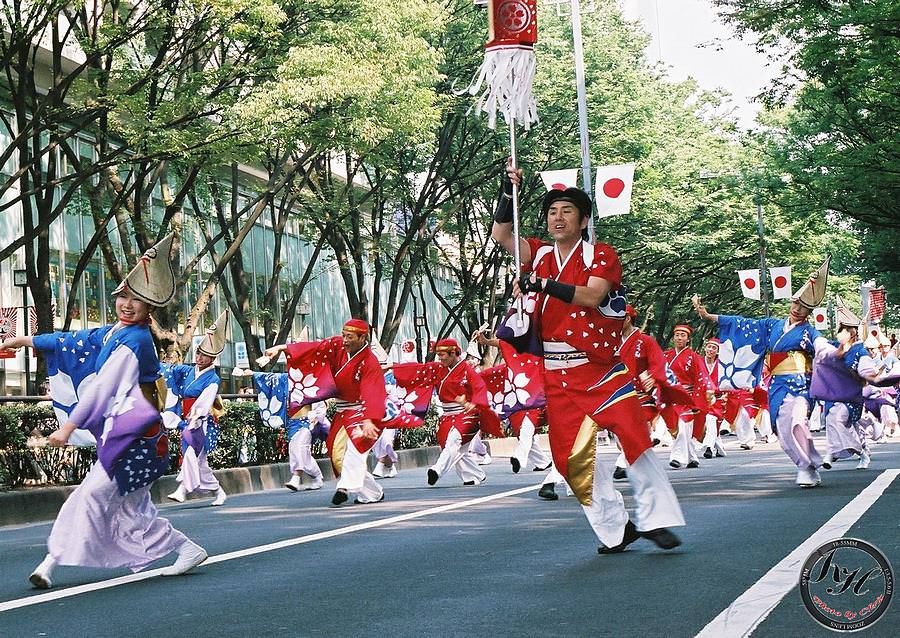
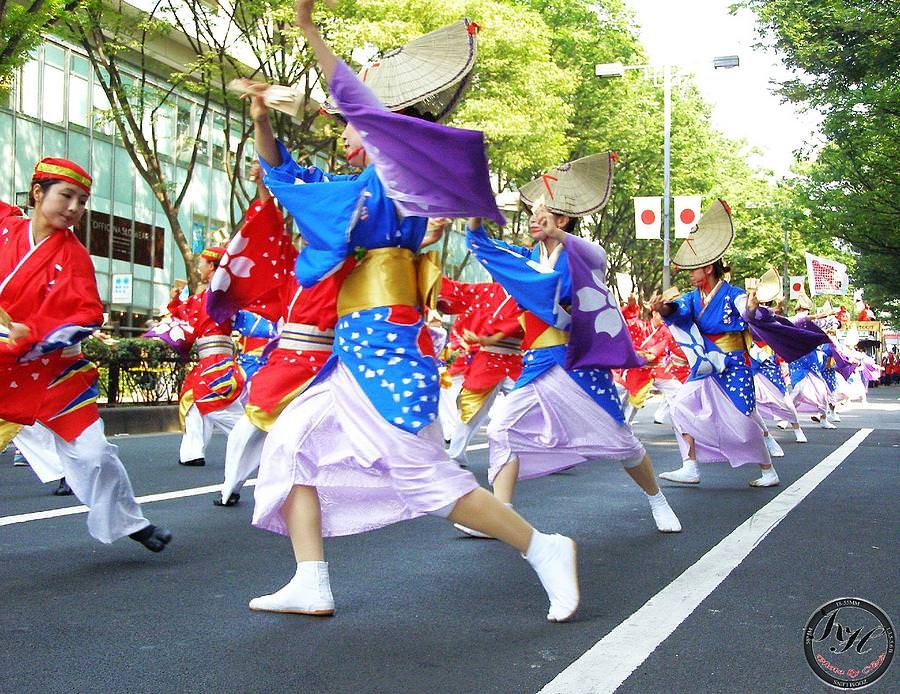
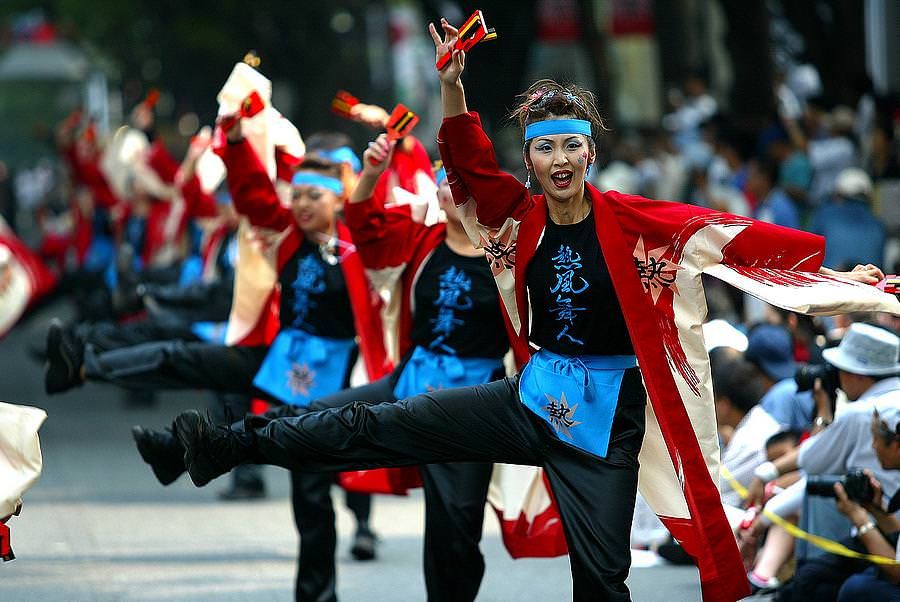
The Yosakoi Festival is one of the biggest events in Kochi. It’s held every year from August 9 to 12, and the main days are the 10th and 11th. It goes back to 1954, when the Yosakoi Naruko Dance was created. The dance is built on a folk song called Yosakoi Bushi and on the sound of naruko, wooden clappers that were once used to scare sparrows away from the fields. Dancers usually show up with bold, eye-catching hairstyles and costumes, and some teams also bring in live rock bands or choreography based on popular movies.
Participants have to follow three main rules: a team can’t have more than 150 people, it has to move forward dancing with naruko in hand (small instruments that keep the rhythm), and its music has to include the folk song Yosakoi Bushi. Those rules leave plenty of room for creativity, which is why the dance has become so popular with young people.
Each team is led by a decorated float called a Jikatasha, and the dancers follow behind it in their colorful costumes, turning the city streets into a kind of carnival.
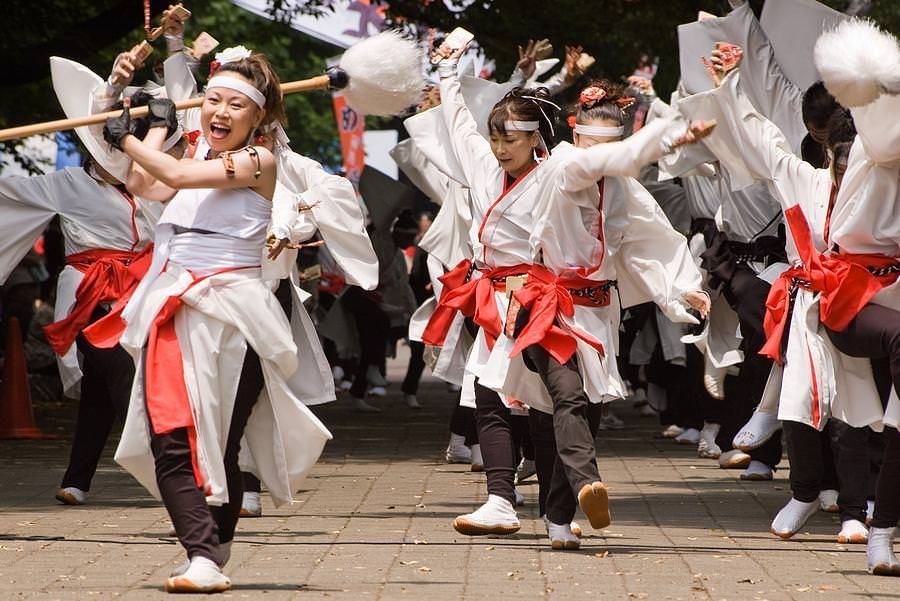
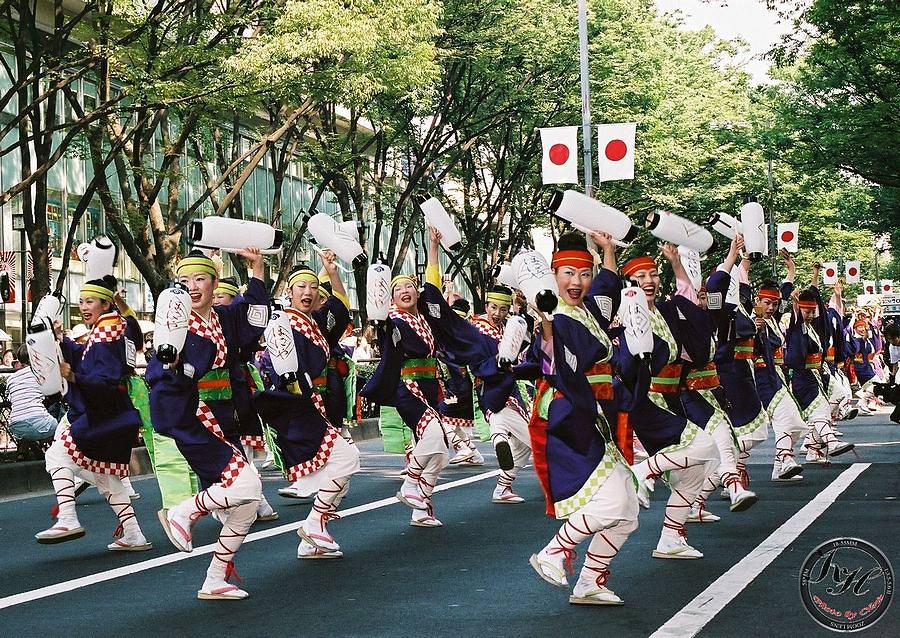
The naruko is one of the things that define Yosakoi. It’s a small wooden instrument that makes a click-clack sound. Traditional naruko are yellow and black, but modern ones come in all sorts of colors and materials. Using them is mandatory in Yosakoi, though many teams also use drums, flags and sticks.
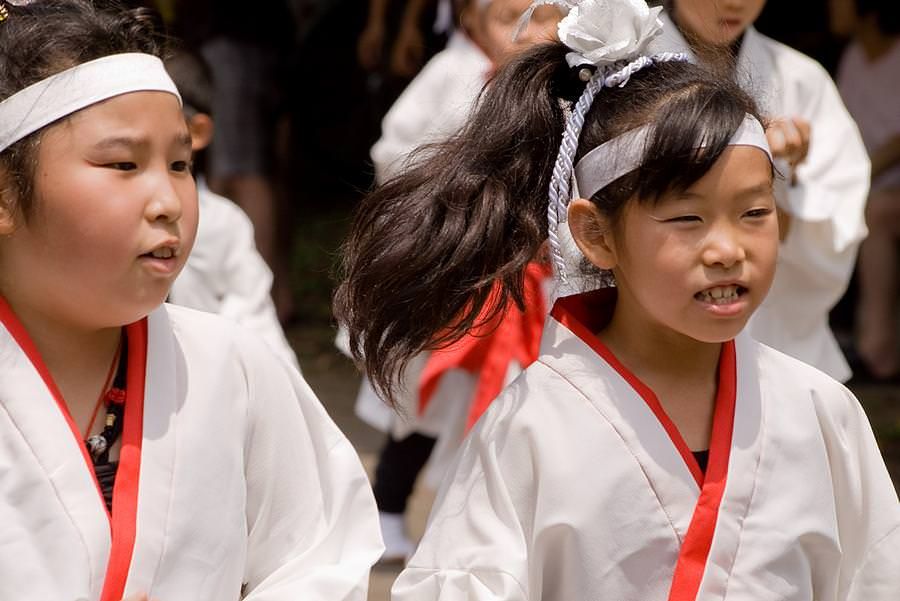
The Yosakoi dance was born in 1954 as a modern answer to Awa Odori, the traditional summer dance of neighboring Tokushima, and it was meant to bring the city back to life after the war. The style is high-energy and mixes traditional Japanese movements with modern music. The choreographed dances are often performed by huge teams made up of people of almost every age.
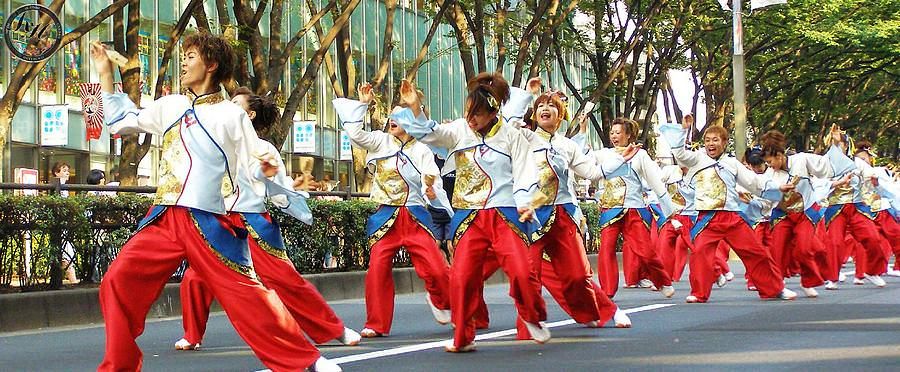
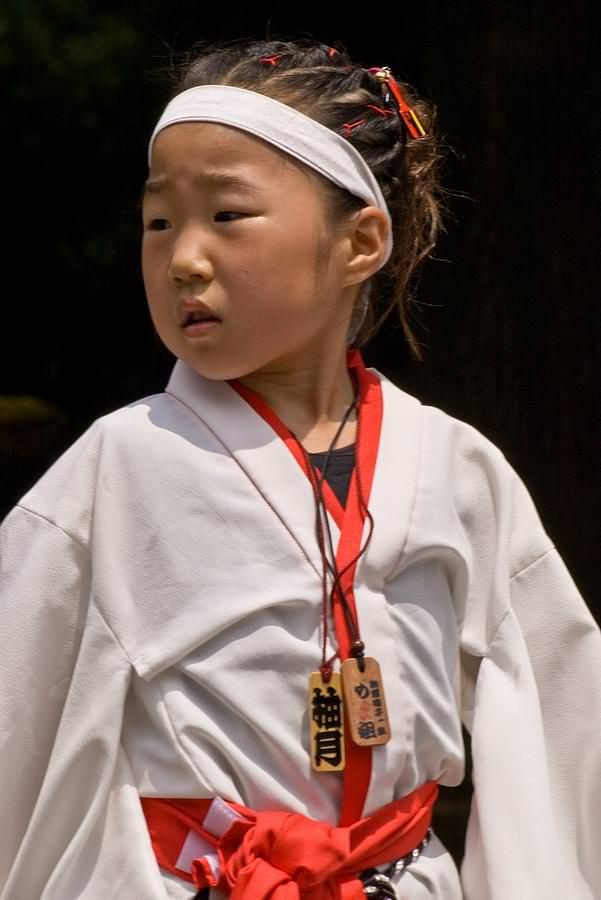
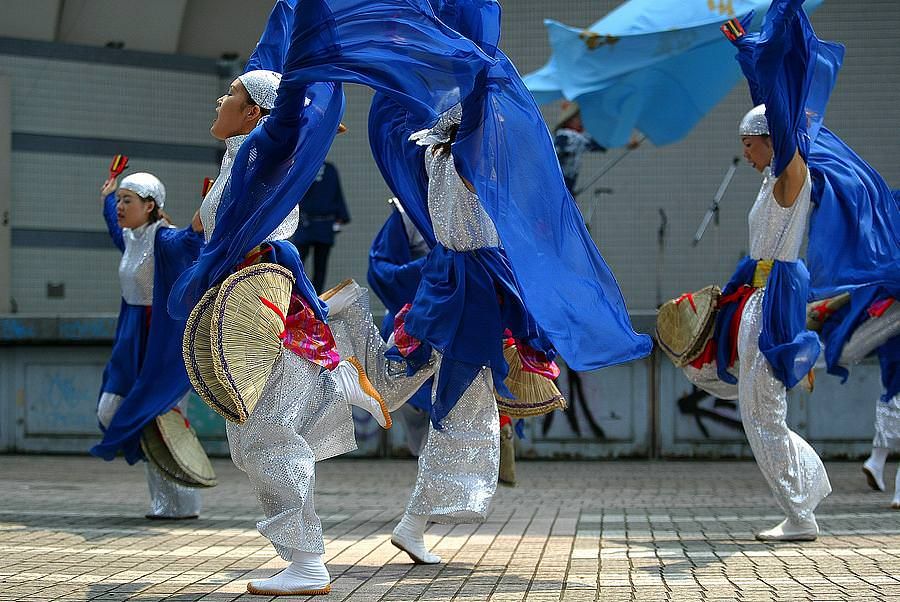
Everyone on a team wears the same style of outfit. Some teams go for historical costumes and others for something more contemporary, but the outfits are usually very colorful, with a strong folk feel.
The official song was written by Takemasa Eisaku, who combined elements of three folk songs: Yosakoi-bushi, Yocchore and Jinma-mo.
Contents
From Kochi to the rest of Japan
Yosakoi is one of those cases where a local festival turned into a nationwide phenomenon.
In 1992 a university student from Hokkaido who had seen the festival in Kochi took the idea to Sapporo and combined it with Soran Bushi, the local fishermen’s song. The result was Yosakoi Soran, which is now one of the most popular festivals in northern Japan.
From there the style spread all over the country and abroad too, with hundreds of events inspired by Kochi’s dance. Kochi is still the home of Yosakoi, though, and you can really tell on August 12, when teams from every corner of Japan come here to dance.
The love story behind Yosakoi Bushi
The song every team has to work into its music grew out of a small scandal in the Edo period.
The story goes that a monk named Junshin was seen buying a hairpin (kanzashi) at a shop near Harimaya Bridge as a gift for Ouma, the girl he was in love with. For a monk, that was unthinkable.
Someone turned it into a song that spread all over town and became Yosakoi Bushi. Its most famous line is about seeing a monk buying a kanzashi on Harimaya Bridge. So when you hear that melody keep coming back over the rock tracks, you’re listening to a piece of gossip that’s almost two centuries old.
Four days of Yosakoi
August 10 and 11 are the heart of the festival, but Yosakoi actually runs for four days, and each one has its own feel.
It kicks off on the 9th with an opening night at Chuo Park and fireworks over the Kagami River, a warm-up for what’s coming.
On the 10th and 11th, teams dance from morning till night all over downtown. Some spots host the competitions, like the wide Otesuji avenue, while in others, like the covered Obiyamachi arcade, teams dance just for show. Walk from one street to the next and you’ll find yourself in front of a different team, with its own music, costumes and choreography.
On August 12 the national contest opens at Kochi Castle, with teams from all over Japan, and in the evening the festival wraps up at Chuo Park with the awards for the best teams and one last party.
Photos
Creative Commons Kumon
Creative Commons elmimmo
Creative Commons ??103
Creative Commons elmimmo
Creative Commons ??103
Creative Commons elmimmo
Creative Commons ??103
Creative Commons ??103
Creative Commons ?? ????
Creative Commons ?? ????

Creative Commons Adam Kahtava