 503 m
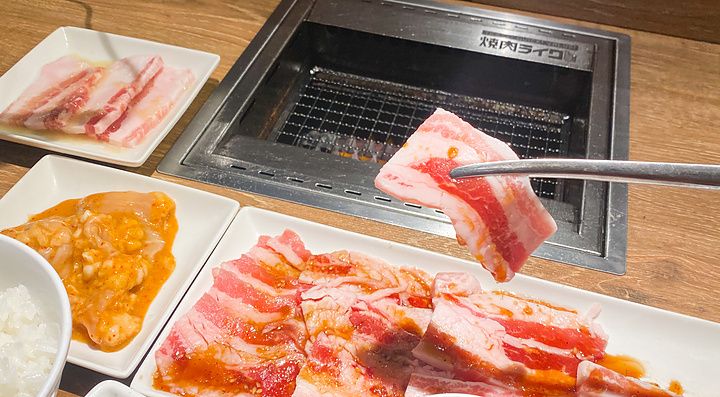
Yakiniku Like503 m
Quick grilling at solo seats.
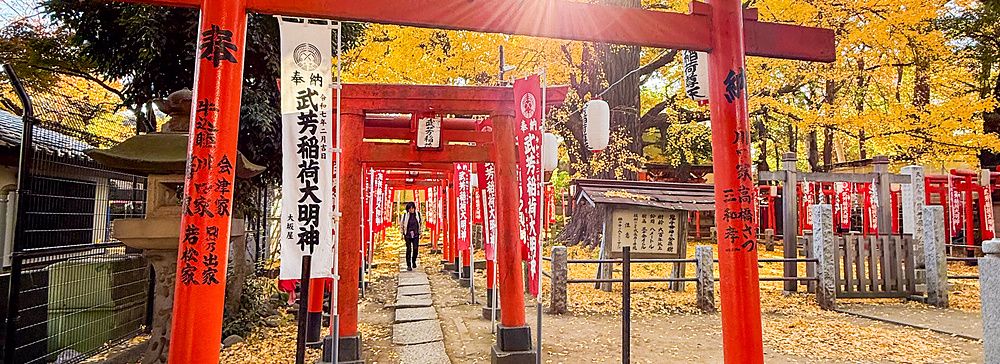
A Buddhist temple just south of Ikebukuro, where you walk in along an avenue of trees that are centuries old and end up under one of the biggest ginkgos in Tokyo, with a row of red torii curving around its trunk. Zoshigaya Kishimojin is where people in the neighborhood come to ask for protection for mothers and children. Besides the tree, there’s a dark wooden main hall covered in carvings and a candy shop that looks like it hasn’t changed in a hundred years.
It’s small and doesn’t take long to see. But if you like exploring Tokyo on foot and want a temple where nobody’s herding you along behind a tour guide’s flag, it’s one of the nicest stops I know, especially in the fall, when everything turns yellow.
The temple grounds are small, and from the middle of the courtyard you can take in almost everything at a glance. There’s still plenty to look at, though, and it’s all just steps apart.
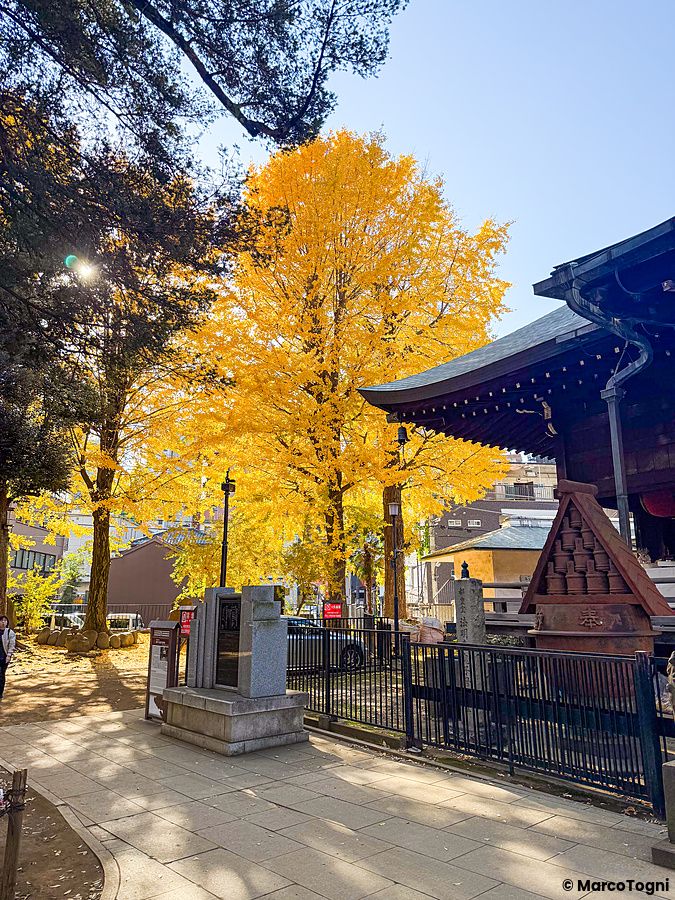
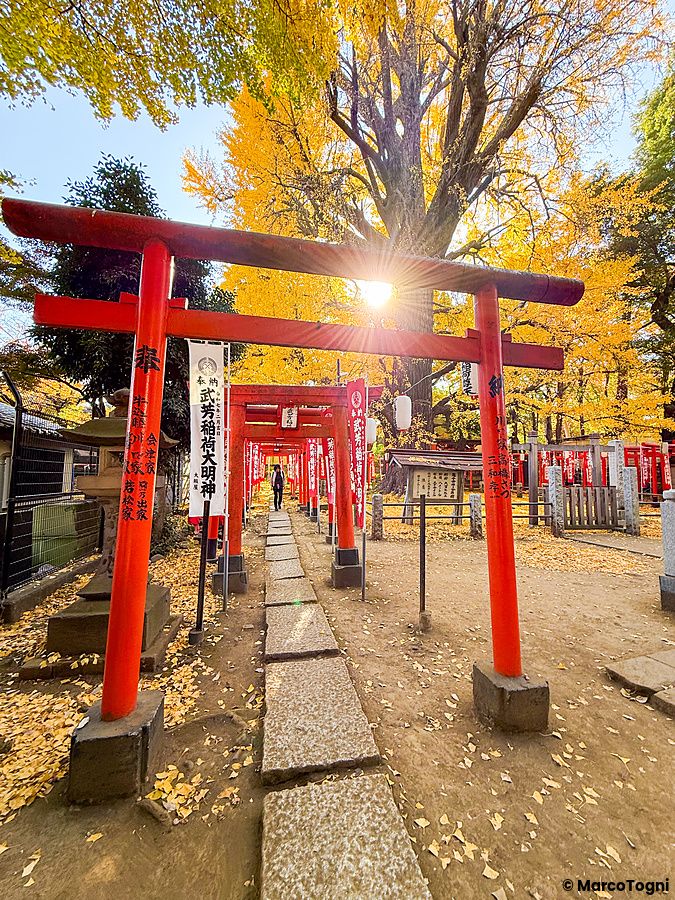
Take a close look at the temple’s signs. In the name, the character for “demon” is written without the little stroke on top, so it has no horns. That’s deliberate: the goddess worshipped here was once a demon who kidnapped children, and she later became their protector. According to the legend she had hundreds of children of her own, and to feed them she stole other people’s, until the Buddha hid her youngest. Once she’d felt a mother’s despair firsthand, she understood and converted. Ever since, she has watched over childbirth and children, which is why most of the people who come here are expectant mothers and families.
The little straw owls have their own story too. The tale goes that a poor girl who couldn’t pay for her sick mother’s care dreamed that the goddess gave her the idea to weave susuki grass into owls and sell them.
The only spot where people bunch up is under the ginkgo, in front of the red torii. In front of the main hall, on the other hand, there’s plenty of room even on the busiest days, and the people you’ll find there came to pray, not to take pictures.
If you’re expecting something like Sensoji, with a pagoda, giant gates and rows of stalls as far as you can see, there’s nothing like that here, and if I only had one day in Tokyo I wouldn’t come. You’re on flat ground the whole way, with no stairs, so it’s no effort at all.
On the map it looks like just another neighborhood temple, but it’s one of the best places in Tokyo to see what daily life is like at a temple locals actually use. A few steps under the zelkovas and you can’t hear the traffic anymore. Voices drop, and all that’s left is footsteps on stone and the rustle of leaves.
I pass by often when I do the long walk between Ikebukuro and Shinjuku, and I always stop here. On that whole route, it’s the only place where I sit down to look at a tree instead of shop windows.
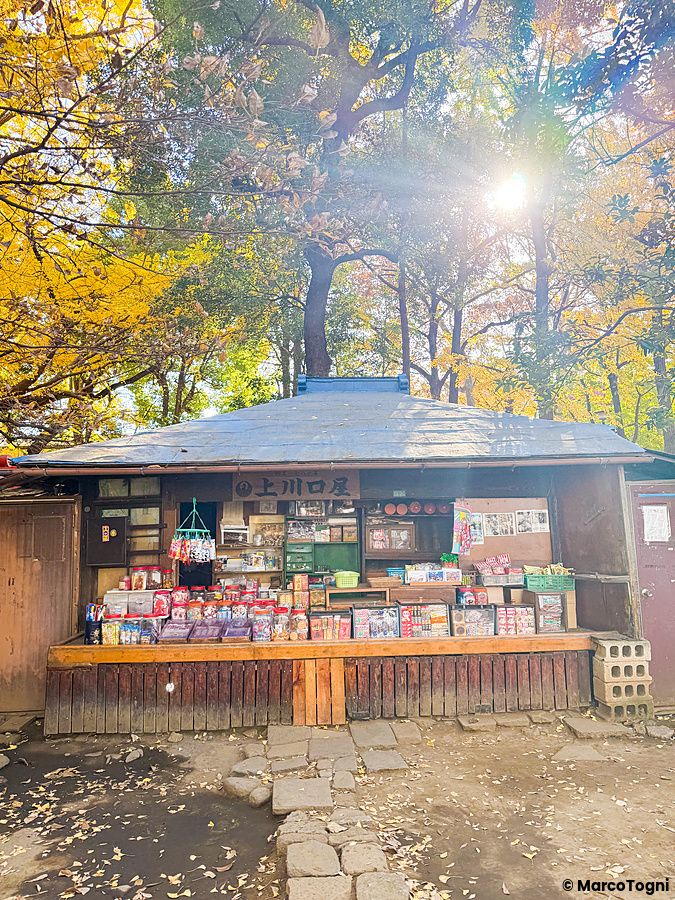
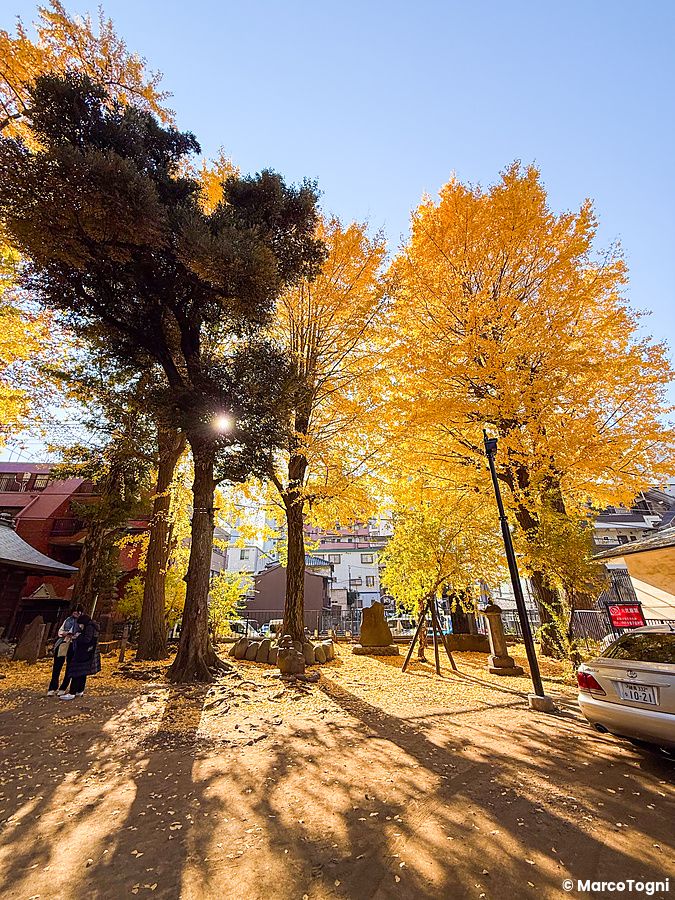
What I wait for all year is late November to early December, when the ginkgo turns yellow. The leaves cover the courtyard like a carpet, the red of the torii under the tree stands out even more against all that yellow, and the candy shop’s roof is piled with leaves.
During those weeks there’s always a little crowd with cameras around the trunk on weekends. Go on a weekday morning and you’ll have the yellow leaves almost to yourself, with grandparents from the neighborhood stopping to bow and then moving on.
In October there’s the Oeshiki festival, and for three days the avenue looks completely different: lanterns shaped like cherry blossoms, people parading and beating drums, and big crowds. If you love Japanese neighborhood festivals, that’s the time to come. If you’re after quiet, it isn’t.
One Sunday a month, the courtyard also fills with white tents for the craft market, with handmade goods and sweets. It’s fun to browse, but under the ginkgo it’s hard to get through.
Summer is nice too, because the zelkovas shade the whole avenue and the air feels fresher than on the surrounding streets.
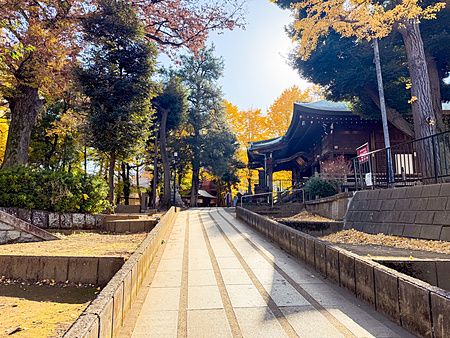
For the best photo, stand off to the side of the fox shrine, so the row of torii leads your eye to the trunk. The shot from the start of the avenue toward the main hall, with the branches forming a roof, works well too.
For kids, the candy shop alone makes the trip. They pick out their own candy, brightly colored snacks and little toys, count out their coins and pay the woman at the counter themselves.
Strollers have no trouble on the avenue’s paving stones, and there’s room in the courtyard to let older kids run around a bit. The temple is dedicated to children, and it shows: there are always families with little ones in their arms stopping in front of the hall.
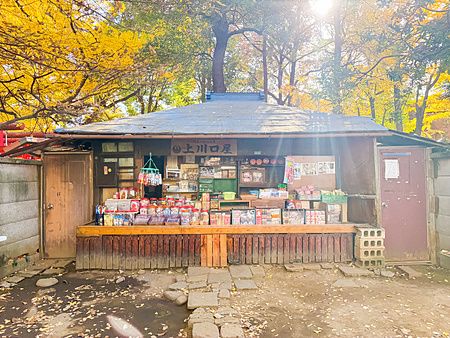
You don’t come here for monuments. You come for a tree, a candy shop and an avenue where you slow down without noticing. If you’re in Tokyo in late November, or you happen to be walking between Ikebukuro and Shinjuku, it’s worth the detour, even just to spend five minutes under the yellow ginkgo with the red torii in front of you. It’s not for people with only a few days who want to see the big-name temples, though. There are other places for those. This one is for people who’ve already seen the classics and want to find out what Tokyo is like when nobody’s posing.
The nicest way to get here is the Toden Arakawa streetcar. Get off at Kishibojin-mae, and in about 3 minutes on foot you're at the start of the zelkova avenue, which takes you straight to the temple.
If you come by subway, take Exit 1 at Zoshigaya Station and walk for about 5 minutes.
From Ikebukuro you can also walk the whole way in about 15–20 minutes, heading south through the residential streets.
This place is on MarcoMaps
Zoshigaya Kishimojin Temple
My map of Japan: over 4,000 places I've tried myself, each with photos, rating, and hours. Filter by category and rating, find veg-friendly spots and places near you with GPS. No sign-up, right from your phone.


Zoshigaya Kishimojin Temple - nearby you will find: